





Blogs
Safe Grid Connections for Solar Farms in Ghana: Key Steps


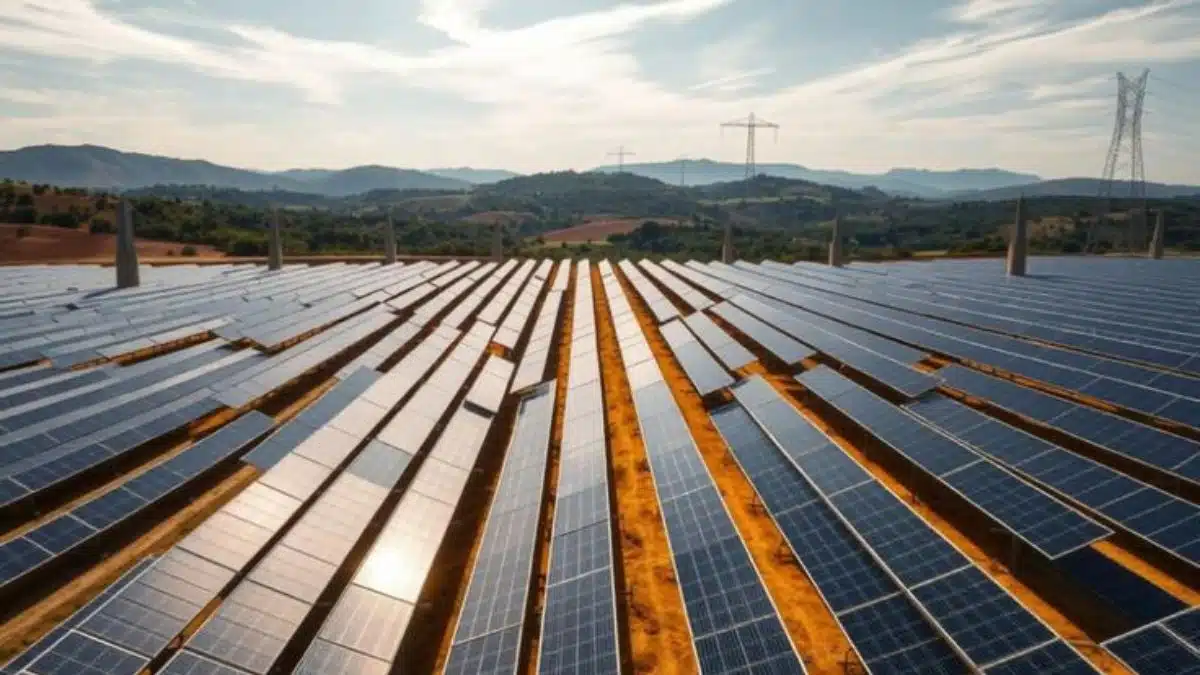
Safe Grid Connections are essential as Ghana advances its transition to renewable energy. Solar power has become a vital part of the country’s energy strategy, with the abundant sunlight offering immense potential for solar energy, particularly through solar farms. These large-scale installations play a key role in meeting Ghana’s energy demands, reducing reliance on fossil fuels, and contributing to global climate change efforts. Ensuring safe grid connections for solar farms is critical for maintaining a stable power supply, protecting grid infrastructure, and safeguarding workers and communities.
In this article, we will examine the significance of safe grid connections for solar farms in Ghana, the challenges involved, the regulatory frameworks, and best practices for smoothly integrating solar power into the national grid.
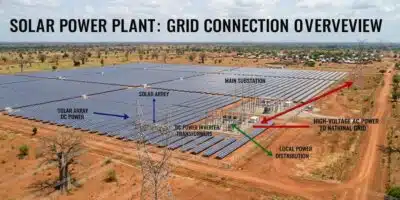
Why Safe Grid Connections Matter for Solar Farms in Ghana
Grid integration is critical for solar power generation. For solar farms to deliver energy to homes, businesses, and industries, they must be connected to the national grid. However, improper or unsafe grid connections can cause issues like voltage fluctuations, grid instability, and system failures, which impact the power supply’s reliability. In addition to these technical challenges, safety concerns such as electrical faults, fire hazards, and equipment damage must also be addressed.
Key Reasons Why Safe Grid Connections Are Essential for Solar Farms in Ghana:
-
Maintaining Grid Stability:
Solar energy is intermittent, fluctuating based on factors like time of day, weather, and seasons. Safe grid connections help manage these fluctuations, ensuring a stable and reliable power supply for consumers. -
Preventing Equipment Damage:
Poor grid integration can cause electrical faults that damage solar farm equipment, including inverters and transformers. Safe grid connections help avoid costly repairs and ensure long-term system functionality. -
Protecting Local Communities:
A stable grid connection is essential not only for the energy system but also for the safety of surrounding communities. Faulty grid connections can pose risks, including voltage spikes and other electrical hazards. -
Maximizing Energy Production:
Efficient and safe grid connections ensure solar farms can deliver energy without interruptions, maximizing energy production and optimizing installed capacity.
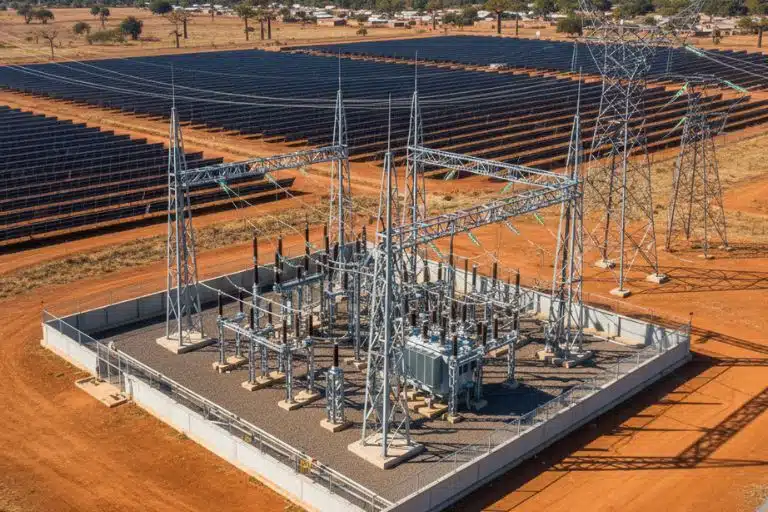
The Challenges of Grid Connection for Solar Farms in Ghana
While solar farms in Ghana offer vast potential, integrating them safely into the national grid presents several challenges:
1. Grid Capacity and Infrastructure
Ghana’s existing grid infrastructure was designed to support conventional energy sources. As solar power increases, upgrades are needed to handle additional load without compromising grid stability. Solar farms, depending on size, can generate significant power that might overwhelm outdated grid systems.
2. Intermittency of Solar Power
Since solar power depends on sunlight, its production can vary throughout the day and across seasons. This intermittency requires careful management to prevent voltage fluctuations or blackouts.
3. Regulatory and Technical Barriers
Grid connection requires compliance with regulatory and technical standards. Sometimes, delays or a lack of clear guidelines can slow the grid connection process, hindering solar projects’ timely deployment.
4. Voltage Control and Power Quality
Solar power integration can cause voltage fluctuations when fed into the grid. Proper management of power quality and voltage control is necessary to ensure stability and efficiency.
5. Demand for Skilled Workforce
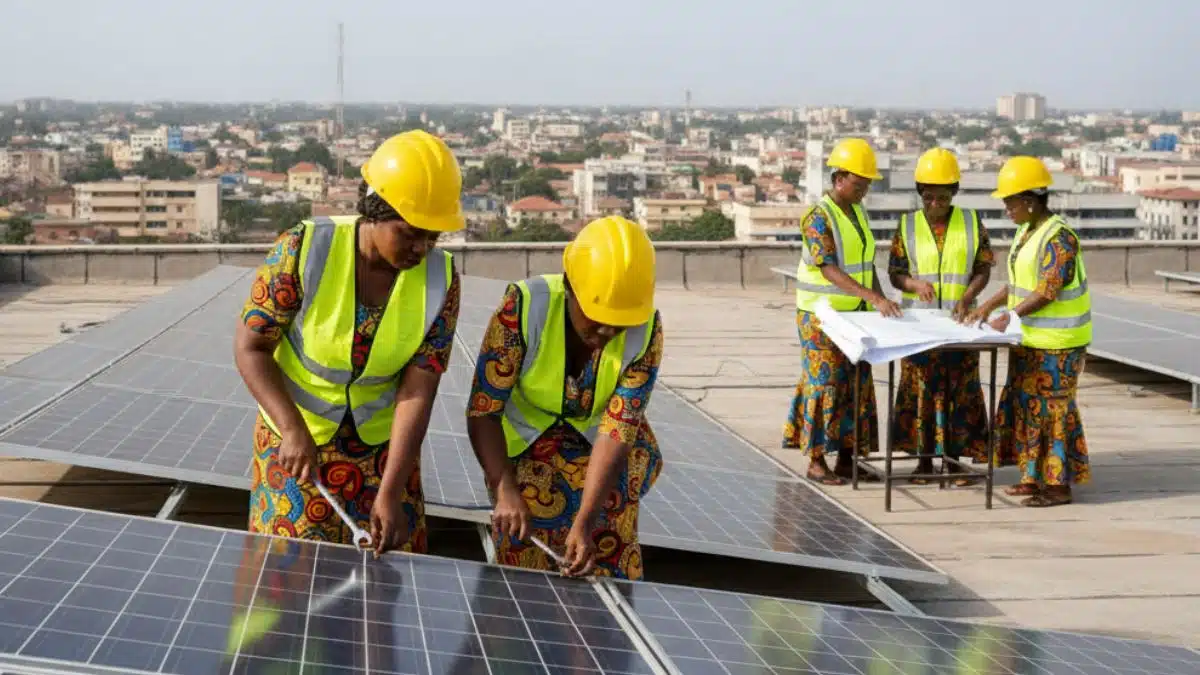
The growth of solar farms in Ghana requires a skilled workforce to manage grid integration. Training in solar technology and grid management is crucial to ensure safety and high performance.
Best Practices for Safe Grid Connections for Solar Farms
To ensure safe and effective grid connections for solar farms in Ghana, several best practices should be followed:
1. Comprehensive Grid Impact Assessments
Before connecting a solar farm to the grid, conduct a grid impact assessment. This will evaluate the grid’s capacity, identify challenges, and ensure it can handle solar farm power generation.
2. Grid Modernization and Upgrades
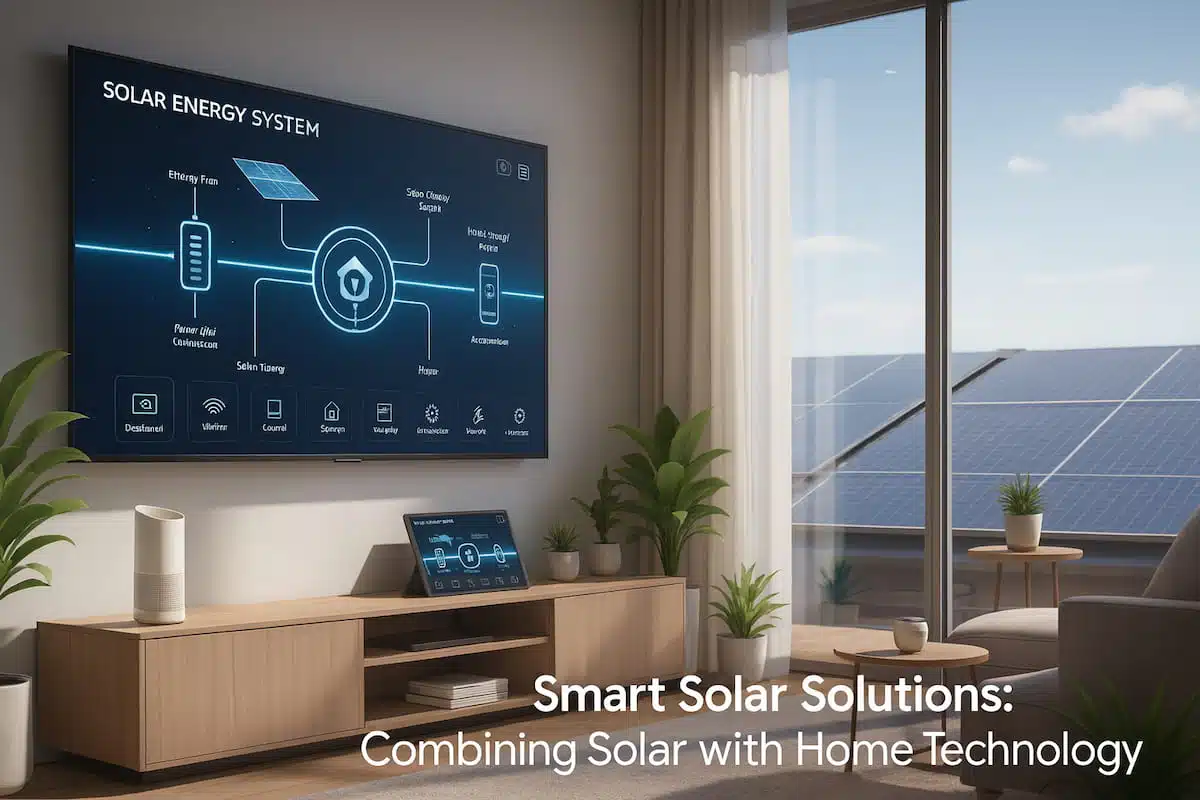
As solar adoption grows, upgrading Ghana’s grid infrastructure becomes critical. This includes enhancing transmission lines, adopting smart grid technologies, and implementing energy storage systems to smooth out the intermittency of solar power.
3. Advanced Inverter Technology
Inverters play a crucial role in converting DC energy from solar panels into AC power. Smart inverters with voltage regulation, frequency control, and anti-islanding protection can help stabilize the grid and improve power quality.
4. Strict Adherence to Regulations
Compliance with Ghana’s Energy Commission’s standards and international guidelines is vital. This ensures safety, reduces risks, and streamlines the grid connection process.
5. Collaboration with Utility Providers
Collaboration between solar farm developers, grid operators, and utility providers is key. Effective communication and joint planning help prevent overloads and maintain a reliable power supply.
6. Continuous Monitoring and Maintenance
Regular monitoring and maintenance are essential to keep solar farms and grid connections functioning optimally. Real-time monitoring systems and smart meters help detect and resolve issues quickly.
The Role of Solar Energy in Ghana’s Renewable Future
As Ghana accelerates its adoption of renewable energy, solar energy is set to play a leading role in the country’s future energy mix. Safe grid connections are key to unlocking the full potential of solar power, ensuring energy independence, and reducing fossil fuel dependence. By addressing integration challenges and following best practices, Ghana can build a more resilient, sustainable energy future.
Conclusion
Solar farms are critical to Ghana’s energy future, and ensuring safe grid connections is key to maximizing the potential of solar power. By modernizing infrastructure, using advanced technologies, and adhering to regulations, Ghana can effectively integrate solar energy into the national grid. As solar energy plays an increasingly important role in global climate efforts, safe grid connections will be vital for achieving Ghana’s renewable energy goals, reducing dependence on fossil fuels, and mitigating climate change.