







Blogs
The Role of Solar Energy in Ghana’s Net-Zero Goals

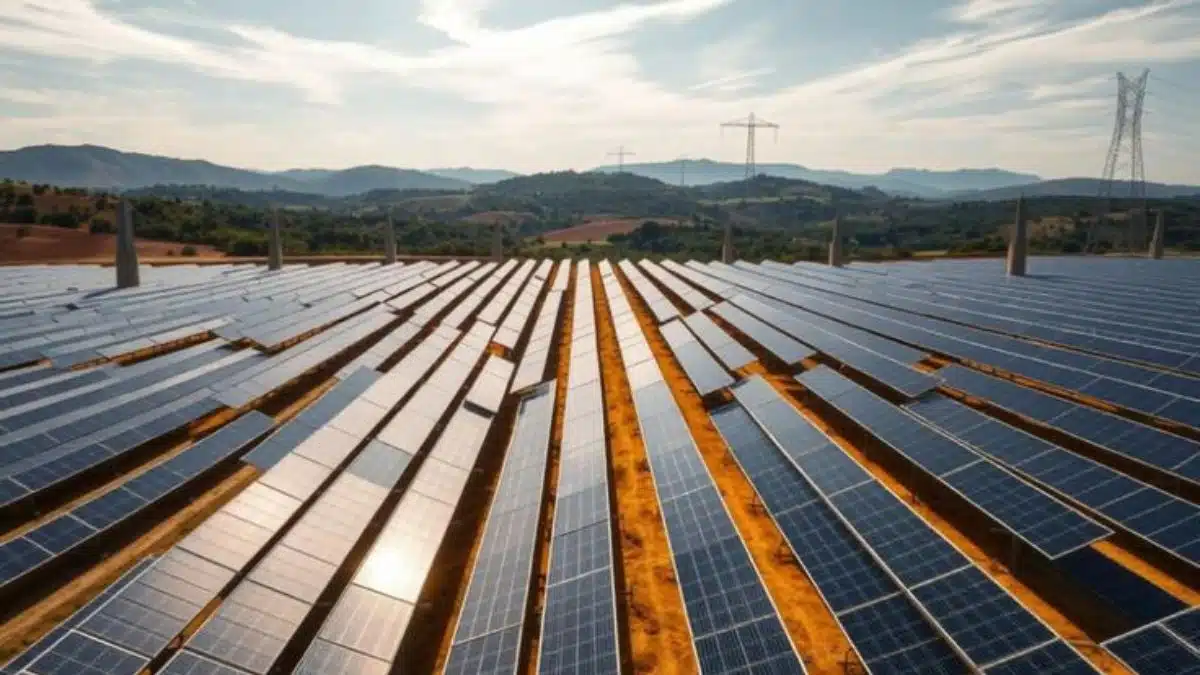
The Role of Solar Energy in Ghana’s transition to a sustainable future has never been more significant. With climate change posing serious challenges, Ghana has committed to achieving net-zero carbon emissions by 2050, aligning with global efforts to mitigate the impacts of global warming. Solar energy, with its abundant availability and numerous benefits, stands out as a crucial player in Ghana’s net-zero ambitions. In this article, we will explore how solar energy fits into Ghana’s broader climate strategy, the challenges ahead, and why it holds the key to a sustainable energy future.
What is Net-Zero and Why Is It Important for Ghana?
Net-zero emissions means balancing the amount of greenhouse gases emitted with those removed, reducing the country’s carbon footprint to zero. Ghana’s pledge to reach net-zero by 2050 is part of a global movement to limit temperature rise in line with the Paris Agreement.
Why Net-Zero Matters for Ghana:
-
Climate Vulnerability: Ghana is highly vulnerable to the impacts of climate change, such as extreme weather events, sea-level rise, and disruptions in agriculture.
-
Energy Demand: With a growing population and economy, Ghana needs to shift from fossil fuels to renewable energy solutions.
-
Economic Opportunity: Investing in renewable energy can create jobs, industries, and local energy solutions, driving economic growth.
Solar energy is key to this transition, offering a clean, renewable source of power. Let’s explore how it can help Ghana achieve its net-zero emissions goal.
Solar Energy: A Clean, Renewable Source
Ghana is blessed with abundant sunlight, averaging 4-6 hours of sunshine daily, making it an ideal candidate for solar power. Unlike fossil fuels, solar energy produces zero emissions and helps reduce reliance on imported fuels, offering a sustainable solution for energy independence.
Key Benefits of Solar Energy for Ghana’s Net-Zero Goals:
-
Reduction in Greenhouse Gas Emissions: Solar panels generate zero emissions during operation. By switching to solar, Ghana can significantly reduce CO2 and methane emissions.
-
Local Energy Production: Solar energy reduces Ghana’s reliance on imported oil and gas, improving energy security and lowering fuel import costs.
-
Sustainable Development: Solar energy creates jobs, stimulates economic growth, and supports development, particularly in rural areas, aligning with Ghana’s broader goals.
Government Support for Solar Energy in Ghana
The Ghanaian government has actively supported solar energy through policies, incentives, and regulatory frameworks that align with the Renewable Energy Act. These efforts are aimed at expanding the share of renewables in Ghana’s energy mix.
Government Initiatives to Boost Solar Energy:
-
Renewable Energy Act (2011): Promotes the development and use of renewable energy sources, including solar, with incentives for private sector participation.
-
Feed-in Tariffs (FiT): Guarantees payments for renewable energy producers who feed excess solar energy into the grid.
-
Net Metering: Allows solar users to send surplus energy back to the grid, earning credits that offset their electricity bills.
-
National Electrification Scheme: Aims to extend electricity access to rural areas using solar systems, particularly solar mini-grids, providing affordable energy.
These policies reflect the Ghanaian government’s commitment to solar energy and achieving net-zero emissions.

Solar Energy as a Solution to Ghana’s Energy Access Challenges
One major challenge Ghana faces is ensuring universal electricity access, especially in rural areas. Solar mini-grids offer an affordable, scalable solution, particularly where extending the national grid is costly.
Solar Mini-Grids for Rural Electrification:
Solar mini-grids are decentralized systems providing reliable electricity to off-grid communities. They are faster and cheaper to install than traditional grid extensions, delivering clean energy to areas relying on kerosene, wood, or diesel.
Why Solar Mini-Grids Matter:
-
Boosting Local Economies: Supports small businesses, schools, and healthcare facilities.
-
Clean Cooking: Offers cleaner alternatives to harmful fuels like wood and charcoal.
-
Climate Resilience: Enhances resilience to climate-related shocks by providing energy in vulnerable regions.
The Role of Solar in Ghana’s Energy Transition
For Ghana to meet its net-zero targets by 2050, solar energy must be a central part of the country’s energy transition strategy. The following actions are critical for scaling up solar adoption:
-
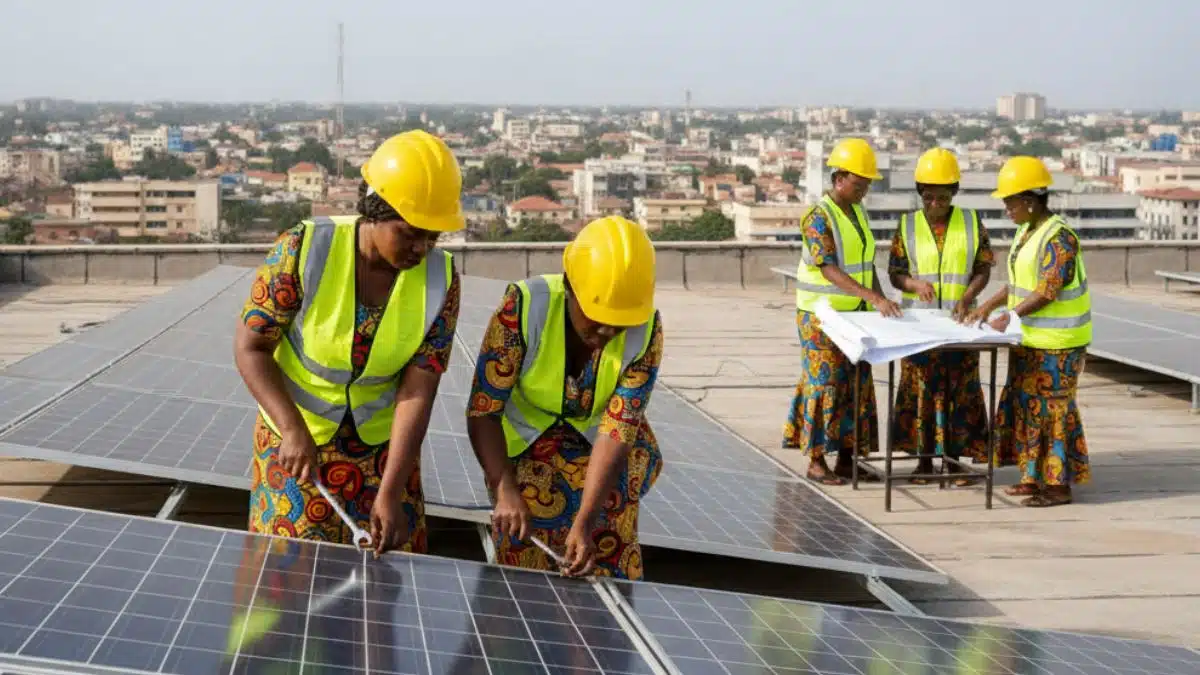
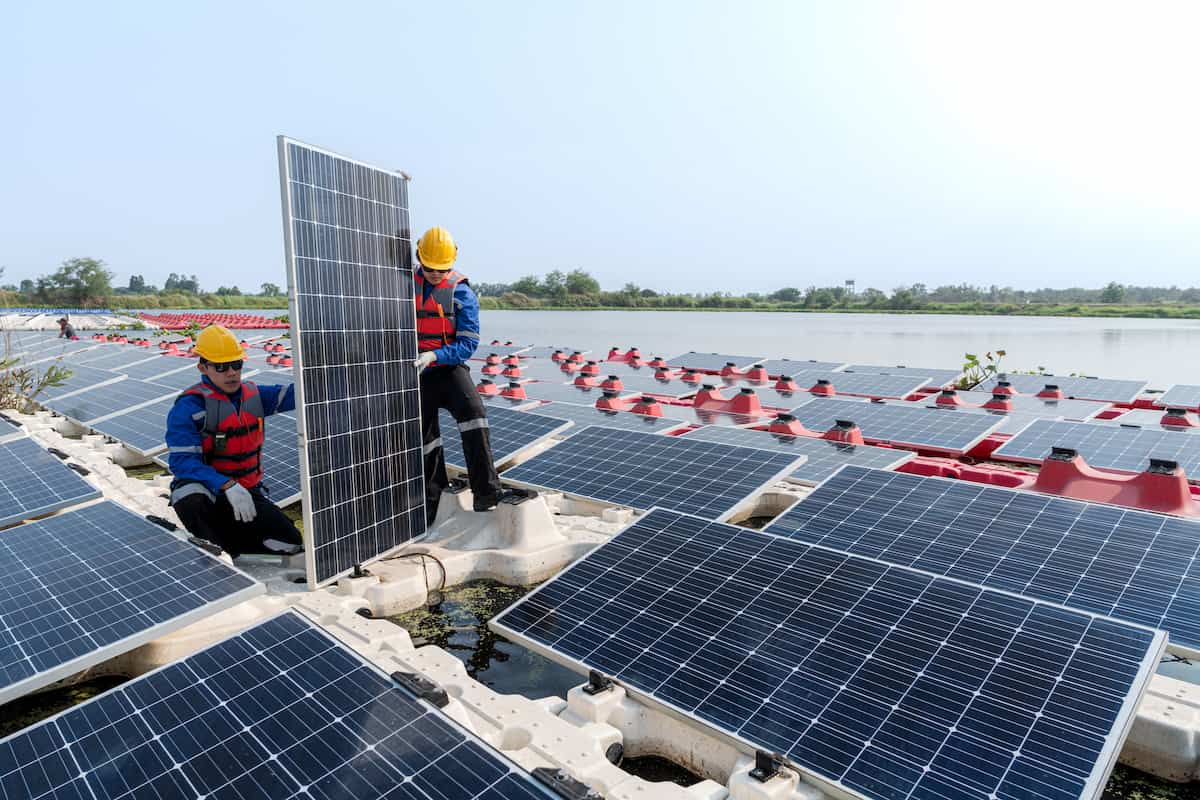
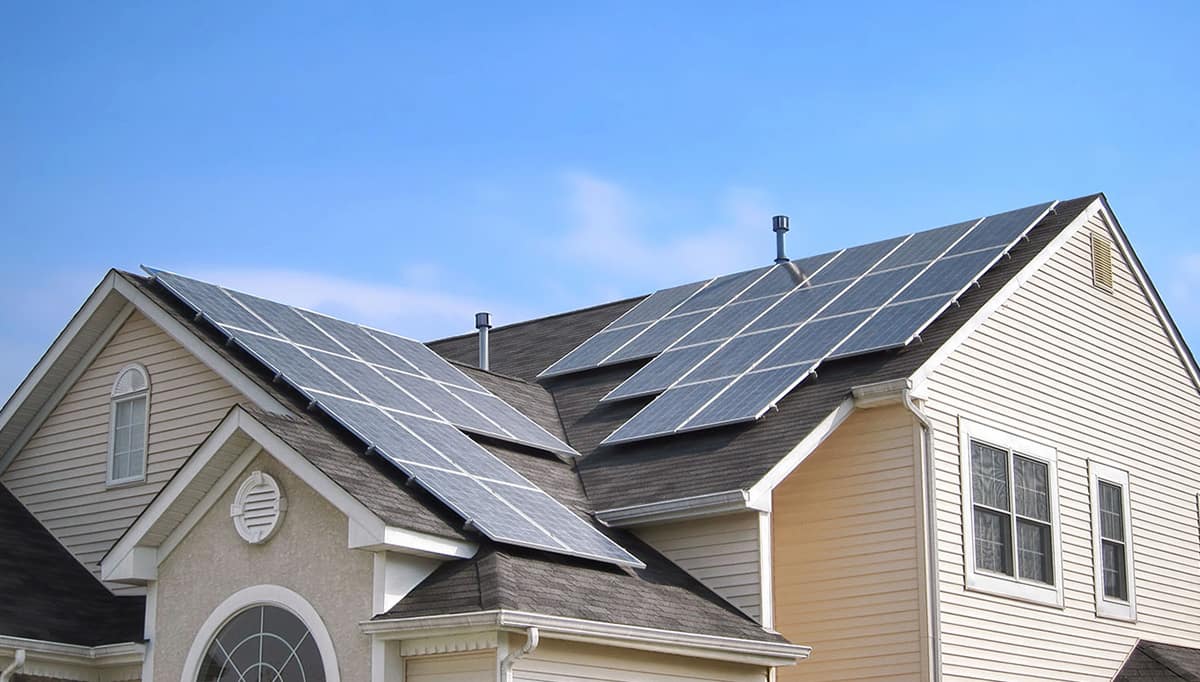
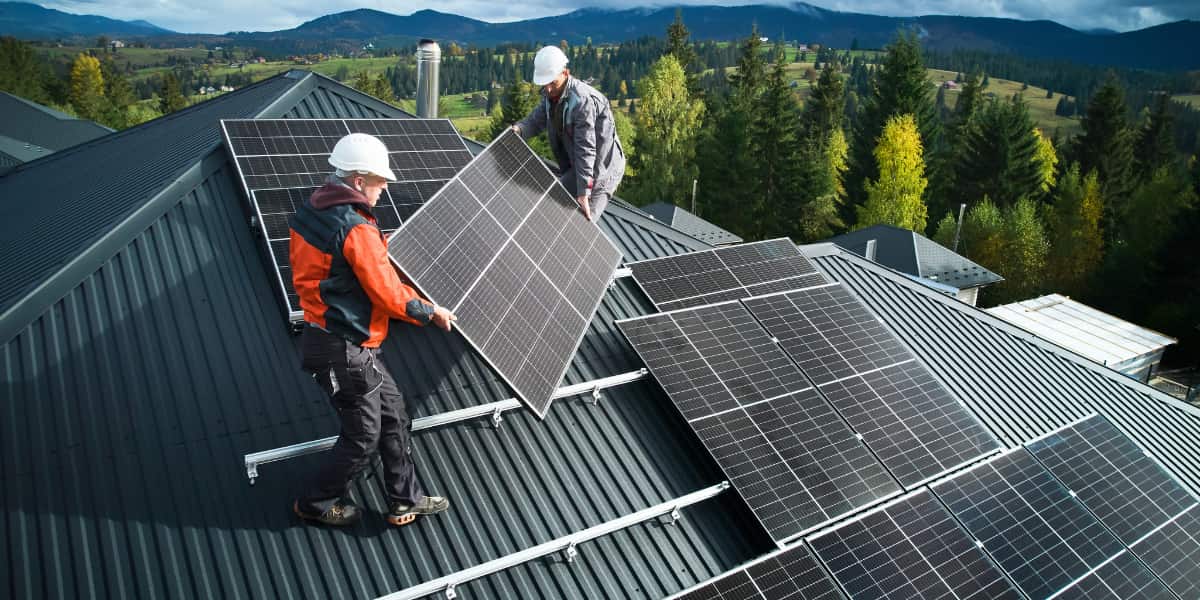
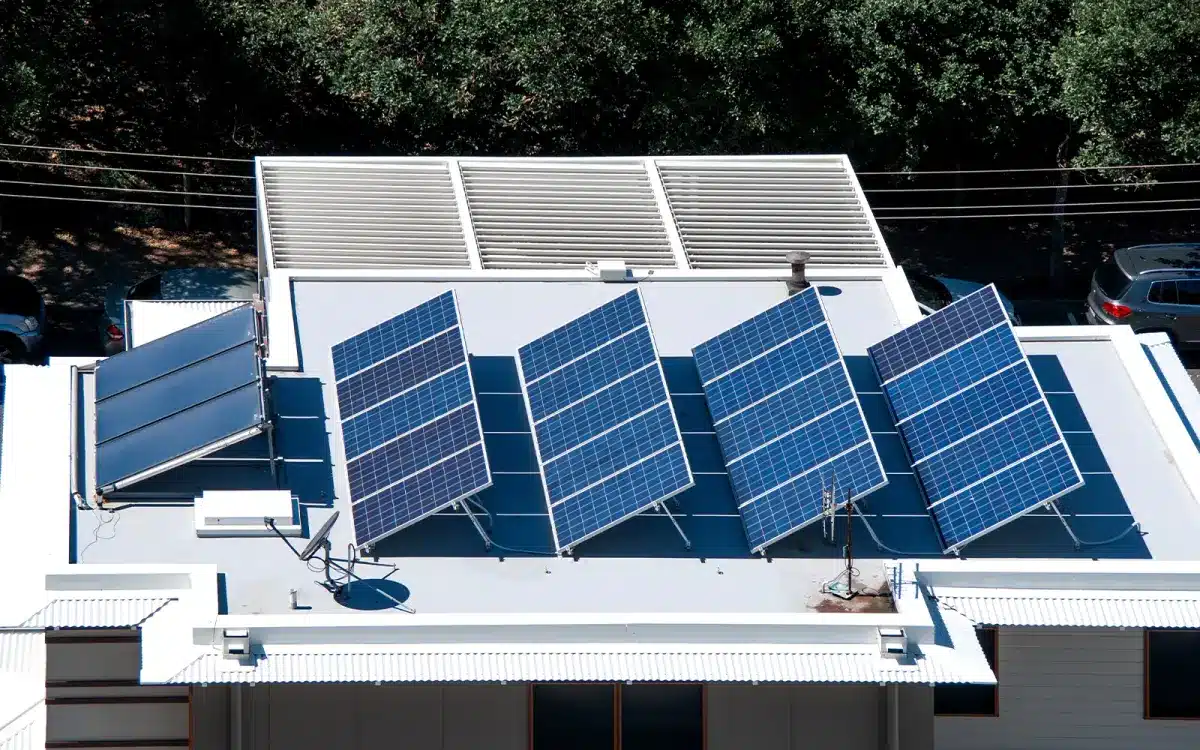
Scaling Up Solar Power Generation: Ghana must increase its solar capacity by expanding large-scale solar farms and promoting residential rooftop installations.
-
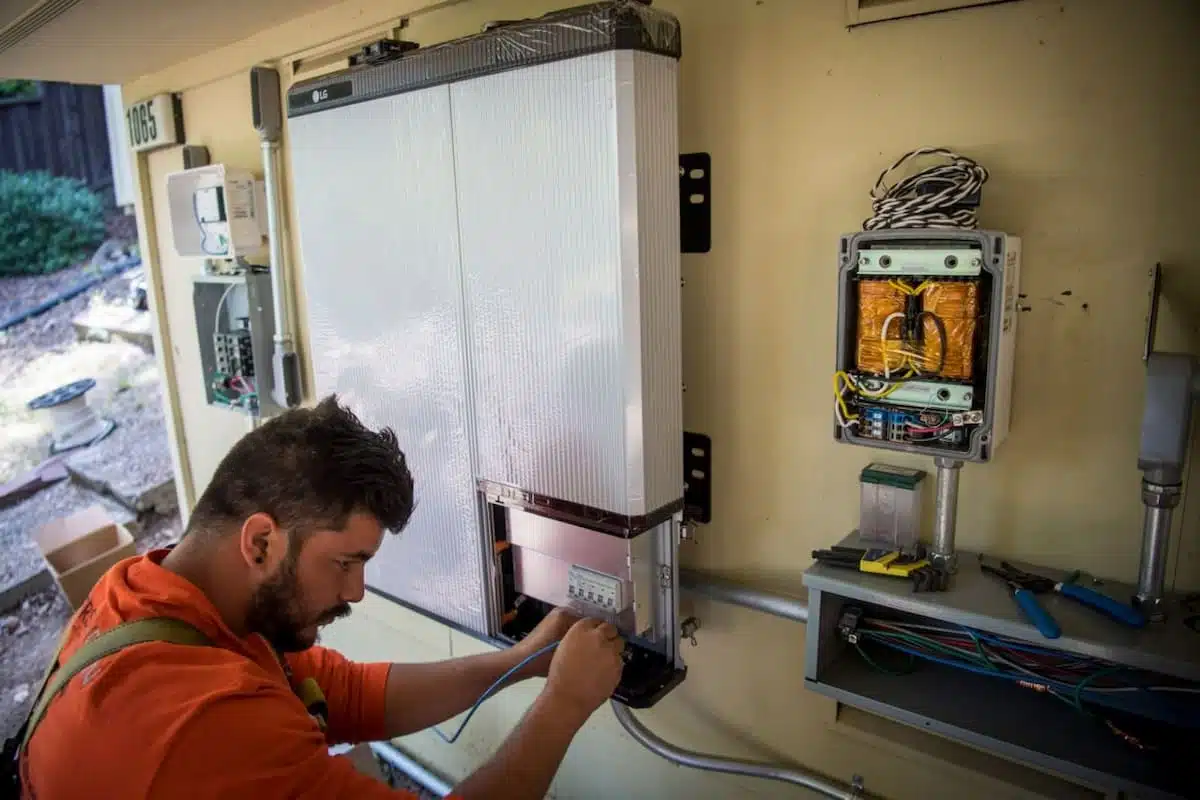
Improving Solar Storage Solutions: To address the intermittent nature of solar power, investing in solar storage technologies is key. Affordable storage will allow users to store excess energy for use during non-sunny periods.
-
Building Solar Ecosystems: A robust local solar ecosystem, including manufacturers, installers, and maintenance providers, will help reduce costs and support long-term adoption.
Conclusion: Solar Energy’s Role in Ghana’s Sustainable Future
Solar energy is a key element in Ghana’s strategy to achieve net-zero emissions by 2050. With abundant sunlight, government support, and vast economic potential, solar power is set to drive Ghana’s clean energy transformation. By expanding solar adoption through solar mini-grids, large-scale farms, and residential systems, Ghana can reduce reliance on fossil fuels, improve energy access, and contribute to global climate action.
For homeowners and businesses, investing in solar energy supports Ghana’s net-zero goals while offering significant financial savings and energy security. As solar technology continues to evolve and costs decrease, solar energy’s role in Ghana’s sustainable future will only continue to grow.







One thought on “The Role of Solar Energy in Ghana’s Net-Zero Goals”