





Blogs
Solar ROI: Payback Period and Long-Term Savings in Ghana

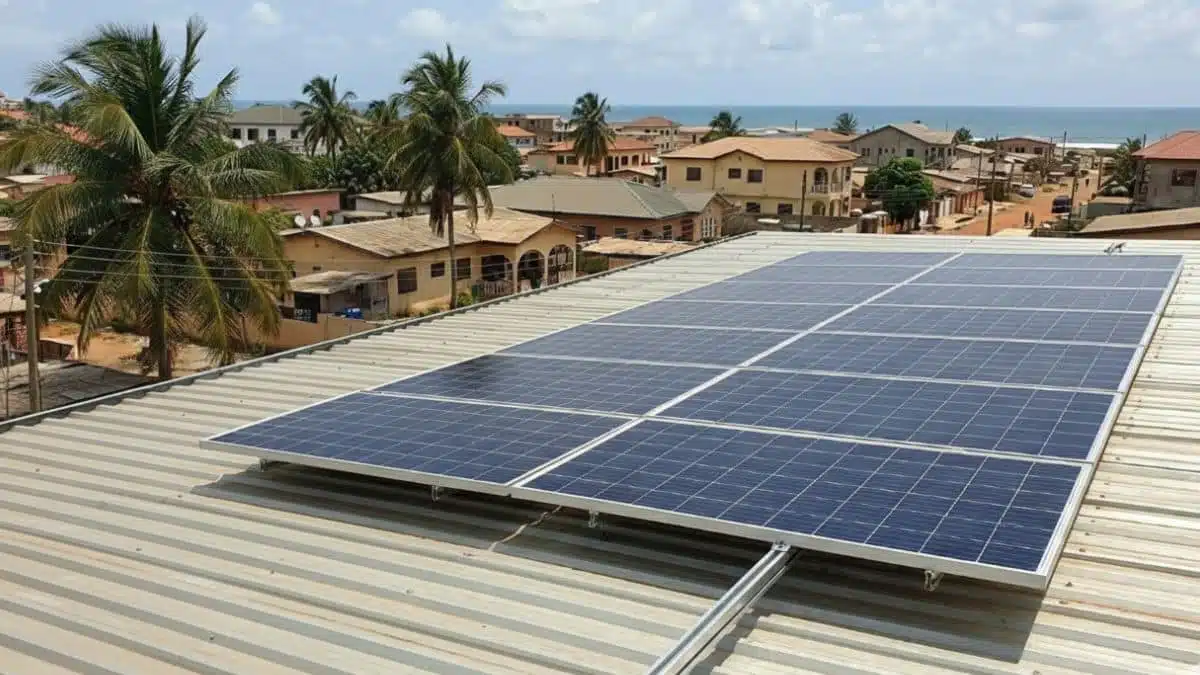
Solar ROI is crucial as Ghana moves toward a more sustainable future. Solar energy is gaining popularity as a solution for homeowners and businesses aiming to reduce electricity bills and minimize their carbon footprint. Understanding ROI for solar panels is essential when evaluating the financial benefits of adopting solar energy. This includes calculating the payback period and understanding long-term savings
In this article, we will guide you through key solar ROI concepts, including how to calculate the payback period, factors influencing solar savings, and the long-term financial benefits of solar energy in Ghana.
What Is ROI in Solar Energy?
ROI is a measure of profitability, and when it comes to solar energy, it refers to the savings you gain on your electricity bills compared to the initial installation cost. The ROI is often calculated by determining the payback period, which is the time it takes for the savings from the solar system to equal the installation costs.
In Ghana, where electricity prices are rising and power outages are common, solar energy offers both financial savings and energy security. Knowing how to calculate solar ROI helps you understand how quickly you can recover your initial investment and the long-term savings you’ll enjoy.
How to Calculate the Payback Period for Solar in Ghana
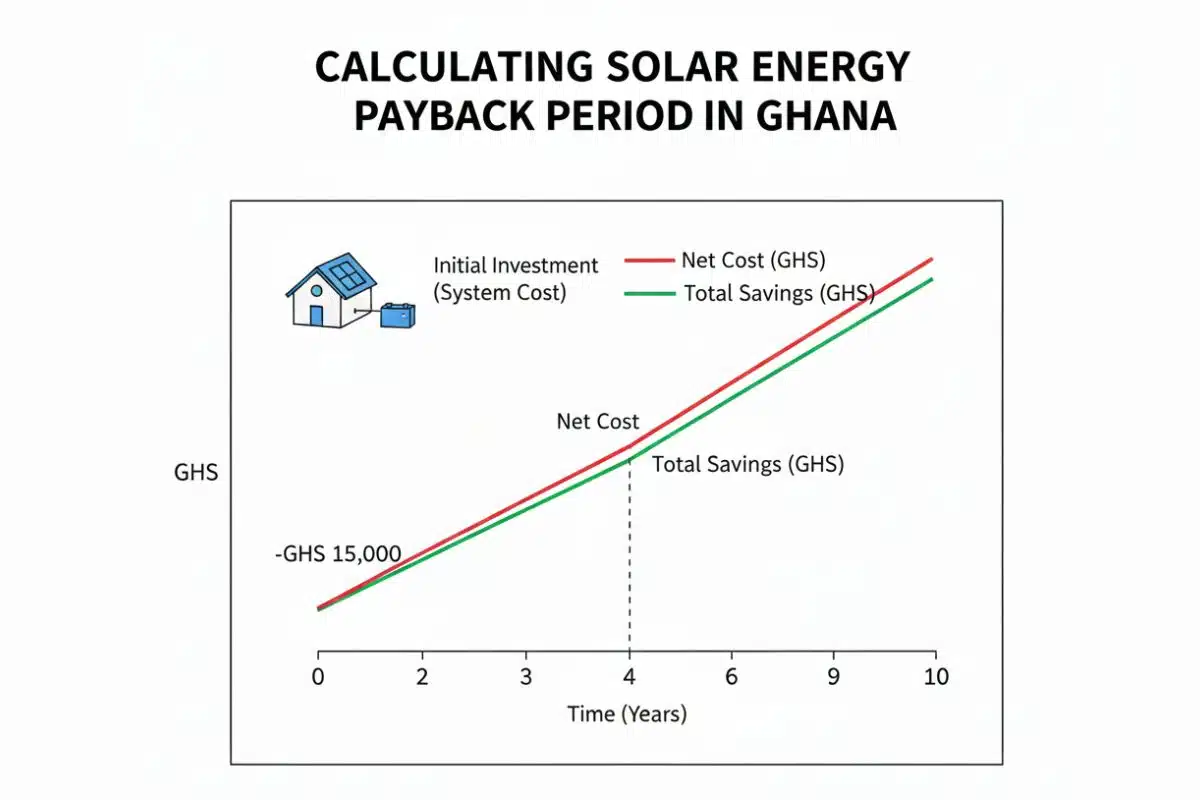
The payback period measures how long it takes for the savings generated by your solar system to cover its initial cost.
Formula for Payback Period:
Payback Period =
Total Cost of Solar System ÷ Annual Savings on Electricity Bills
Example:
If you spend GHS 20,000 on a solar system and save GHS 4,000 annually on your electricity bills, the payback period would be:
GHS 20,000 ÷ GHS 4,000 = 5 years
After 5 years, you’ll have recovered your initial investment, and the savings continue from there.
Factors That Affect Payback Period
Several factors influence the payback period of solar energy systems in Ghana:
-
System Size: Larger systems generate more electricity, leading to faster savings.
-
Electricity Rates: Higher rates (common in Ghana due to fuel imports) accelerate savings.
-
Energy Usage: Higher energy consumption results in greater savings.
-
Government Incentives: Tax exemptions and incentives for solar equipment can lower installation costs.
-
Financing Options: Loans or pay-as-you-go plans affect the upfront cost and payback period.
Long-Term Savings and Financial Benefits of Solar Energy
After the payback period, solar systems continue to generate savings for many years. Solar panels typically last 25+ years, offering substantial financial benefits long after the initial investment is recouped.
Energy Savings Beyond the Payback Period
Once the payback period is over, your solar system will continue to save you money. For example, if you save GHS 4,000 a year, over 20 years, you could save:
GHS 4,000 x 20 = GHS 80,000
This figure represents total savings, excluding the initial investment.
Increased Property Value
Solar panels increase property value. Homes with solar energy systems tend to sell for more, as buyers are attracted to lower energy costs and greater energy independence. In Ghana, solar energy can make your property more attractive, leading to higher resale value.
Energy Security and Reduced Dependency
Solar energy offers energy security, reducing reliance on grid electricity, which is subject to price fluctuations and frequent outages. For homes and businesses in Ghana, solar energy provides peace of mind, reducing the financial impact of power cuts.
Benefits of Solar Energy in Ghana
-
Sustainable and Renewable:
Solar energy is clean and renewable, helping reduce greenhouse gas emissions and supporting Ghana’s sustainable development goals. -
Affordable and Low Maintenance:
Although the initial cost can be high, solar panel systems are low-maintenance, requiring only occasional cleaning and inspection. They last for 25+ years, offering affordable energy for decades. -
Support for Ghana’s Renewable Energy Goals:
Ghana aims to generate 10% of its energy from renewable sources by 2030. Solar energy is key to achieving this goal, and by investing in solar panels, homeowners contribute to the country’s transition to cleaner energy.

How to Maximize Solar ROI in Ghana
To get the most from your solar investment, consider these strategies:
-
Proper System Sizing:
Ensure your solar system is sized appropriately to meet your energy needs. Oversized systems lead to unnecessary costs, while undersized systems may not produce enough energy to cover your needs. -
Energy Efficiency:
Improve energy efficiency before installing solar panels. Energy-efficient lighting, insulation, and appliances can reduce the amount of energy you need, lowering overall costs. -
Take Advantage of Financing and Incentives:
Look for financing options like solar loans or pay-as-you-go plans to reduce upfront costs. Also, take advantage of available government incentives and tax exemptions.
Conclusion: Solar Energy as a Smart Investment for Ghanaian Homes
Investing in solar energy is a smart financial choice for homeowners and businesses in Ghana. By calculating the payback period and understanding the long-term savings, you can make an informed decision about adopting solar power. With rising electricity prices, frequent power outages, and growing environmental awareness, solar energy offers a sustainable, reliable, and cost-effective solution to meet the country’s energy needs.
Whether you want to lower energy bills, increase property value, or contribute to a sustainable future, solar energy provides an excellent return on investment. As Ghana’s renewable energy sector grows, solar power will play a crucial role in creating a cleaner, greener energy future.