





Blogs
The “Silent Tax”: Why Your ECG Bill is Your Biggest Financial Leak

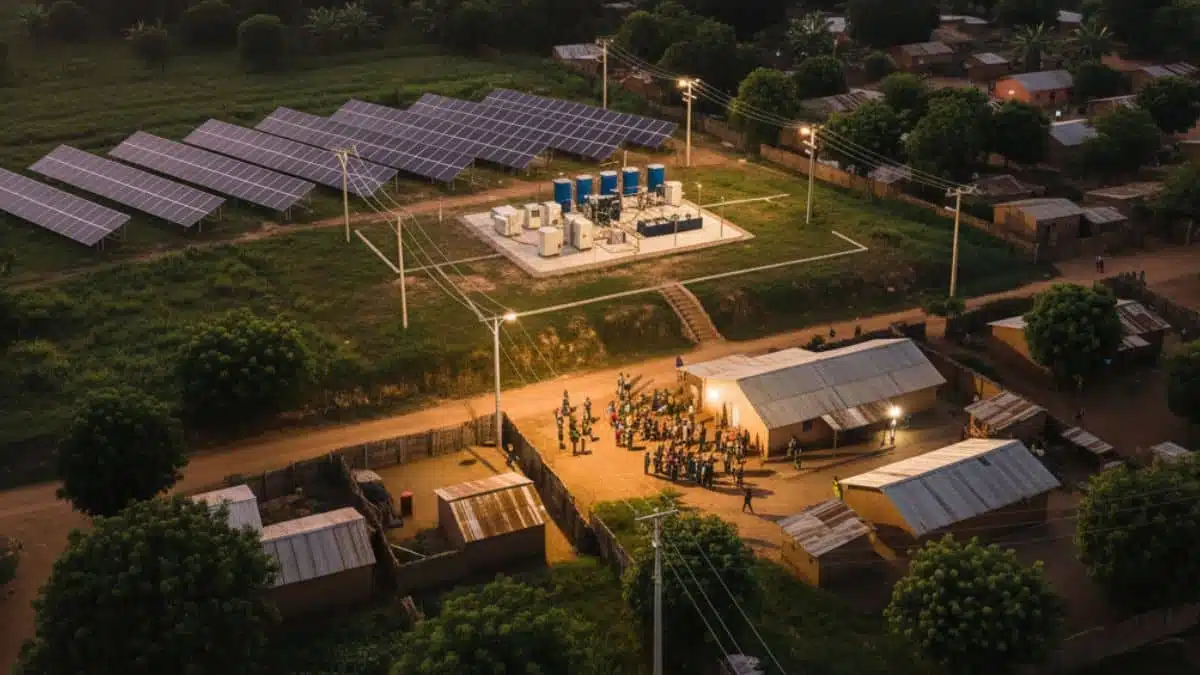
Think back to 2011. A bottle of water was cheap, the Cedi was resilient, and your monthly electricity bill was likely the least of your worries. In 2011, residential electricity in Ghana cost approximately 14 Pesewas (GHS 0.14) per kWh. You could power a modest home for the price of a small lunch.
Fast forward to 2026. That same unit of electricity now costs roughly GHS 2.26. That is a 1,500% increase in just 15 years.
Looking at current geopolitical turbulence, the race for petrol supply, and climate change, one thing is clear: energy prices are not going down. If you are waiting for grid prices to “stabilize,” you are fighting a losing battle. The only way to win is to stop renting power and start owning it.
The “Cost of Waiting” vs. The “Cost of Solar”
Most Ghanaians hesitate to switch to solar because of the upfront cost. However, while grid tariffs have skyrocketed by 1,500%, solar technology costs have plummeted by over 60% globally.
When you stay on the grid, you are subject to “price shocks” whenever petrol prices rise or the Cedi fluctuates. When you buy solar, you lock in your energy price for the next 25 years.
Case Study 1: The 15-Year Retrospective (2011 – 2026)
Let’s compare two neighbours in Accra, Mr. Kojo and Mr. Mensah, who both lived in 3-bedroom houses in 2011.
Mr. Kojo (The Early Adopter): In 2011, Kojo spent GHS 15,000 on a high-quality solar system. While it seemed expensive then, his monthly ECG bill dropped to GHS 0. Even after a battery refresh in 2020 (GHS 6,000), his total 15-year spend was GHS 21,000.
Mr. Mensah (The “Wait and See” Neighbour): Mensah stayed with the grid. His bill started at GHS 40/month in 2011. By 2026, due to tariff hikes and inflation, he is paying GHS 1,200/month. Over 15 years, his total payments to ECG exceeded GHS 75,000.
The Verdict: By going solar early, Mr. Kojo saved over GHS 54,000—enough to purchase a new vehicle or a plot of land today.
Case Study 2: The 15-Year Future Outlook (2026 – 2041)
What happens if you start today? Let’s look at two professionals, Ama and Kwame.
Ama (Invests in 2026): Ama takes a solar loan with a monthly payment of GHS 1,000. By 2029, her loan is paid off. For the following 12 years (until 2041), her electricity is effectively free.
Kwame (Stays with ECG): Kwame pays GHS 1,000 in 2026. Based on a conservative 10% annual rise, his bill will hit GHS 2,600/month by 2036 and a staggering GHS 4,200/month by 2041.
3 Strategic Reasons to Go Solar in Ghana Now
1. Hedge Against Global Oil Volatility: Ghana’s energy mix relies heavily on thermal gas. When global petrol prices spike, your light bill follows. Solar provides sovereign energy security.
2. Take Advantage of Net Metering: Ghana is implementing Net Metering, allowing you to sell excess solar power back to the grid for credits. This turns your roof into a revenue-generating asset.
End “Dumsor” Productivity Losses: In a digital economy, power outages equal lost income. Solar with modern Lithium Iron Phosphate (LiFePO4) batteries ensures 100% uptime for your home office or business.
Final Thought
In 2011, electricity was a minor expense. In 2026, it is a major burden. By 2041, it will be a financial crisis for those who didn’t adapt. Don’t wait for the technology to get “better”—it is already world-class.
Invest in your roof. It is the only part of your home designed to pay you back.