





Blogs
Solar Panel Prices in Ghana 2026: A Complete Cost Breakdown

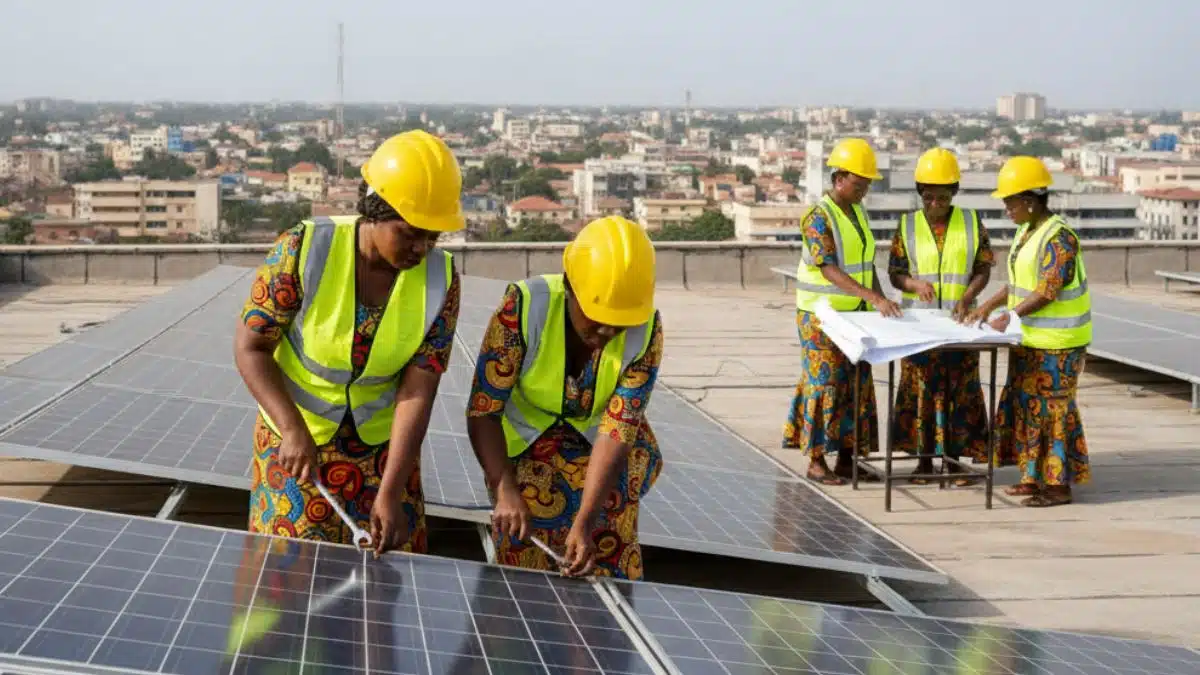
The question on every Ghanaian homeowner’s mind in 2026 is no longer “Does solar work?” but rather, “How much will it cost me to stop depending on the grid?”
With ECG tariffs continuing to adjust and the 2022 Renewable Energy Act now fully matured, the solar landscape in Ghana has shifted. At Optima Solar Systems, we believe in transparency. This guide breaks down the real costs of going solar this year.
The Short Answer: What’s the Price Tag?
If you are looking for a quick estimate, a high-quality solar installation in Ghana currently ranges from GH₵18,000 for a basic backup system to over GH₵95,000 for a full-scale luxury home solution.
2026 Price Estimates by System Size
| System Size | Estimated Cost (GH₵) | Typical Appliances Powered |
| 1.5kVA (Basic) | 18,000 – 25,000 | Lights, Fans, TV, Laptop, Small Fridge |
| 3kVA (Standard) | 35,000 – 50,000 | 3-Bedroom Home + Efficient Fridge/Deep Freezer |
| 5kVA (Premium) | 55,000 – 85,000 | Full House + 1 or 2 Inverter ACs + Water Pump |
| 10kVA+ (Industrial) | 100,000+ | Large Estates, Offices, or Cold Storage |

What Drives the Cost in 2026?
Several factors influence why one quote might be higher than another. When reviewing a proposal from Optima or any other provider, look at these three pillars:
1. Battery Technology (Lithium vs. Gel)
In 2026, Lithium-ion (LiFePO4) has become the standard. While the upfront cost is roughly 30% higher than older Gel batteries, they last 10 years instead of 3. Buying Lithium actually saves you nearly GH₵40,000 in replacement costs over a decade.
2. Inverter Intelligence
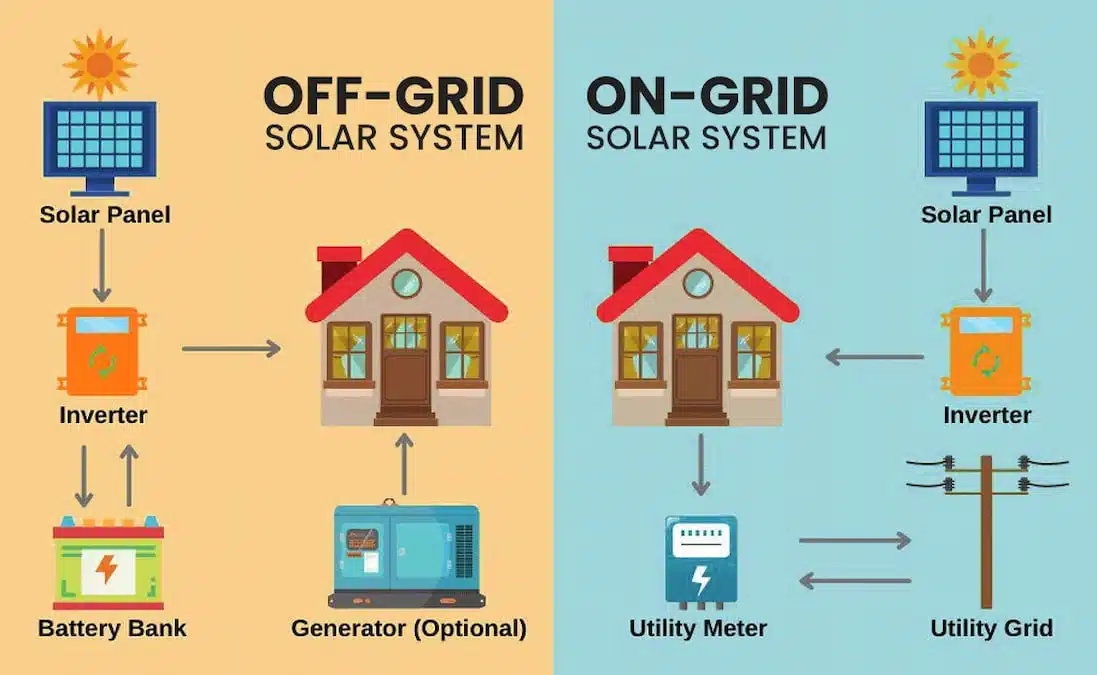
Modern “Hybrid” inverters are now the norm in Accra and Kumasi. These smart devices manage the switch between solar, battery, and ECG seamlessly. High-efficiency brands integrated by Optima ensure you don’t lose power during the “millisecond” switch-over, protecting your sensitive electronics.
3. Installation & After-Sales Support
A cheap installation is often the most expensive mistake. Professional mounting structures (to withstand high winds) and proper grounding (to protect against lightning) are included in every Optima quote to ensure your investment lasts 25+ years.
Your Return on Investment (ROI): Is it Worth It?
In 2026, the average residential solar system in Ghana pays for itself in 4.5 to 6 years.
Given that solar panels are warrantied for 25 years, you are essentially looking at 19+ years of “free” electricity. When you factor in the “peace of mind” during power outages (Dumsor), the value is immediate.
Pro Tip: Check if your property qualifies for the Ghana Energy Commission’s net-metering program. This allows you to “bank” excess power with the grid, further accelerating your ROI.
Frequently Asked Questions
Q: Can I pay in instalments?
A: Yes, Optima Solar Systems works with several Ghanaian banks to offer solar financing. You can often “pay as you save” on your ECG bill.
Q: Does the Harmattan dust affect the price?
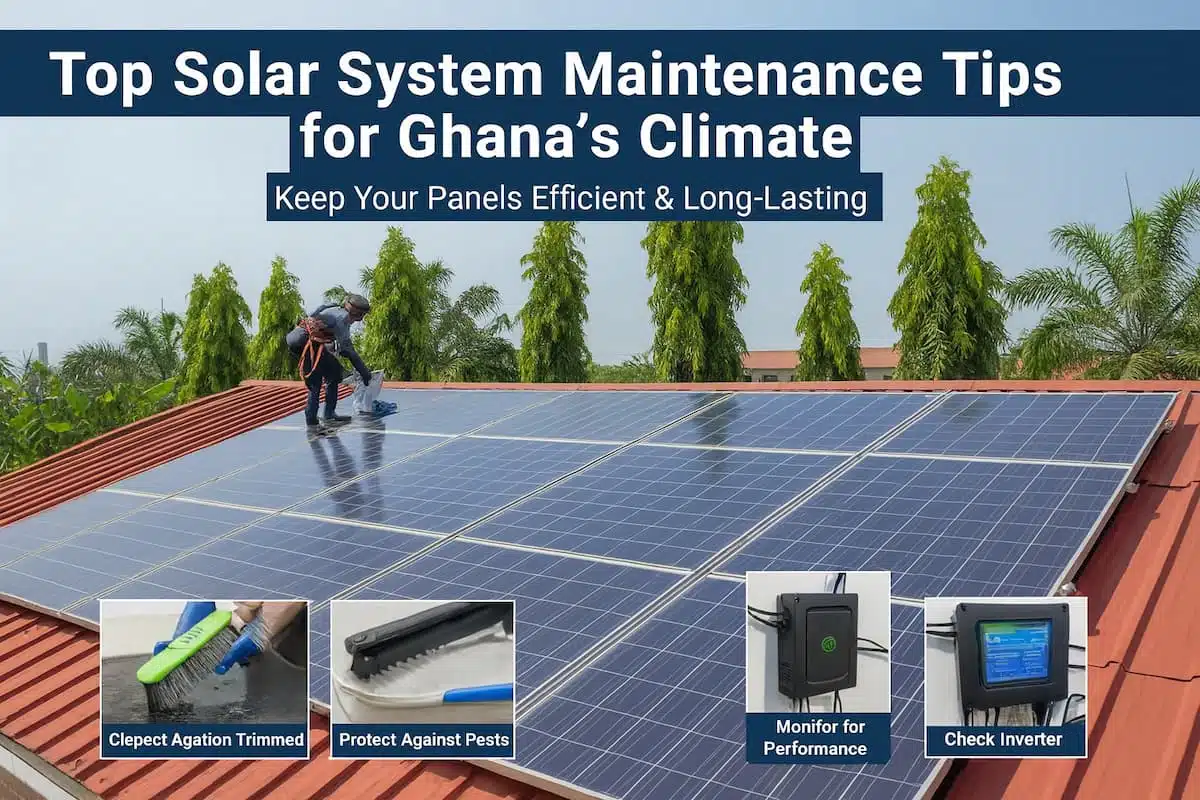
A: Not the price, but it affects maintenance. We recommend a professional cleaning twice a year to keep your efficiency at 100%.
Ready to get an exact quote for your home?
Don’t rely on estimates alone. Every roof and energy habit is different.
Contact Optima Solar Systems today for a free site audit.