





Blogs
Solar Water Heaters: Cut Your Energy Bills and Save More


Solar Water Heaters are becoming an essential solution as global energy costs rise. Many homeowners are looking for ways to reduce utility bills while embracing a more sustainable lifestyle. By harnessing the sun’s power to heat water, solar water heaters can significantly reduce the energy needed from the grid, lowering household energy bills. In this article, we’ll explore how solar water heaters work, the benefits they offer, and how you can use them effectively to save on energy costs.
What is a Solar Water Heater?
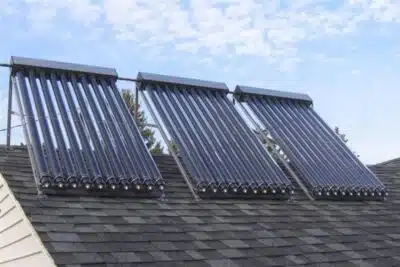
A solar water heater (SWH) is a system that uses the sun’s energy to heat water for domestic or industrial use. Solar water heaters are typically composed of solar collectors, a storage tank, and a circulation system that moves the heated water from the collector to the tank. These systems are designed to heat water efficiently, reducing the need for electricity or gas, which are traditionally used for water heating.
There are two main types of solar water heaters:
-
Active Systems: These systems use pumps or fans to circulate water or heat-transfer fluids through the collector to the storage tank. They are more commonly used in areas with colder climates where water temperature needs to be boosted.
-
Passive Systems: These rely on natural convection (the process of heated water rising) to move the water through the system. They are simpler, less expensive, and more commonly used in regions with warm climates like Ghana and other parts of West Africa.
How Solar Water Heaters Help Lower Energy Bills
Water heating accounts for a significant portion of household energy consumption, typically making up 15-20% of a home’s energy usage. In regions with abundant sunlight, like Ghana, solar water heaters offer a cost-effective way to replace conventional electric or gas water heating systems.
Here are several ways solar water heaters help cut energy bills:
1. Reduced Electricity or Gas Consumption
Traditional water heaters rely on electricity or gas to heat water, and the costs can quickly add up over time. By installing a solar water heater, you use free solar energy to heat your water, significantly reducing the amount of energy drawn from the grid. Over time, this can result in substantial savings, especially in regions where electricity costs are high.
In many cases, homeowners have reported a 30-50% reduction in their energy bills simply by switching to solar water heating.
2. Low Operating Costs
Once installed, solar water heaters have low operating costs because the main energy source – the sun – is free. While the initial installation cost may be higher than conventional systems, the long-term savings in energy costs typically outweigh this. Many solar water heater systems also come with long warranties, ensuring that homeowners will enjoy years of low-cost hot water.
3. Energy Independence
Solar water heaters reduce your dependence on fossil fuels or electricity supplied by the national grid. In countries like Ghana, where electricity outages and inconsistent supply can be common, solar water heaters offer a reliable alternative that doesn’t rely on external sources of energy. This provides greater energy security for households.
4. Long-Term Savings
Although the initial cost of installing a solar water heater system may be higher than conventional systems, the system pays for itself over time through reduced energy bills. Solar water heaters typically have a lifespan of 15-20 years, and with minimal maintenance required, homeowners can enjoy decades of savings on energy costs.
How Solar Water Heaters Work
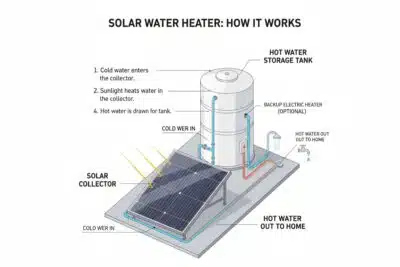
A solar water heater works by converting sunlight into heat and transferring that heat to water. The process can be broken down into three main steps:
-
Solar Collectors Capture the Sun’s Energy:
Solar panels or collectors, typically placed on the roof, capture sunlight and convert it into heat. These collectors contain a fluid (usually water or a heat-transfer fluid) that absorbs the heat from the sun. -
Fluid Circulates to Heat the Water:
The heated fluid is pumped through pipes to a storage tank. In active systems, a pump circulates the fluid, while in passive systems, the heat rises naturally due to convection. -
Heated Water Stored in Tank:
Once the fluid has transferred the heat to the water, the now-heated water is stored in an insulated tank for use. The tank is designed to minimize heat loss, ensuring that the hot water stays warm for longer periods.
Benefits of Solar Water Heaters
1. Environmental Benefits
By switching to these systems, you significantly reduce your carbon footprint. Unlike electric or gas water heaters, they don’t produce harmful emissions. Using solar energy to heat water helps reduce reliance on fossil fuels, contributing to cleaner air and a healthier environment.
2. Durable and Low Maintenance
These systems are designed for long-term use, with many lasting for 15-20 years with proper maintenance. The technology is simple, and the systems require minimal upkeep. Cleaning the collectors occasionally and checking for any issues with the pump or piping is typically all the maintenance required.
3. Increase in Property Value
Homes equipped with solar energy systems are often viewed as more energy-efficient and sustainable. This can lead to an increase in property value. As more buyers look for eco-friendly homes, having this system can make your home more attractive to potential buyers.
Factors to Consider When Choosing a Solar Water Heater
1. Location and Climate
Since solar water heaters depend on sunlight, the climate and geographic location are key factors in their efficiency. In Ghana and other West African countries, where there is abundant sunlight, solar water heaters are highly effective throughout the year.
2. Size of the System
The size of the solar water heater system depends on the size of your household and water usage. A larger family will require a larger system to meet their hot water needs. It’s important to work with a professional installer to properly size the system based on your household’s requirements.
3. Quality of Equipment
Not all solar water heaters are created equal. Look for systems with high-quality solar collectors, efficient storage tanks, and reliable pumps. Choosing a reputable manufacturer with good warranties will ensure the system lasts for many years and performs efficiently.
How to Maximize Savings with Solar Water Heaters
To maximize the energy savings from your solar water heater system, consider the following:
-
Use water wisely: Limiting hot water usage during peak hours can reduce energy demand and optimize solar energy collection.
-
Combine with energy-efficient appliances: Pairing your solar water heater with energy-efficient showerheads, faucets, and appliances can further reduce your energy consumption.
-
Ensure proper installation: A professional installation ensures the system is optimized for your roof angle, location, and household energy needs.
Conclusion
Solar water heaters are an effective and sustainable solution for reducing household energy bills in Ghana. By harnessing the power of the sun, these systems provide an affordable, reliable, and eco-friendly way to heat water. Whether you’re looking to cut your electricity costs, reduce your environmental impact, or increase your property value, investing in this technology is a wise choice.
As the technology continues to improve and become more affordable, these systems will play an increasingly important role in helping households across Ghana save money and contribute to a greener, more sustainable future