





Blogs
Future of Solar Energy in 2025: Innovations and Advancements

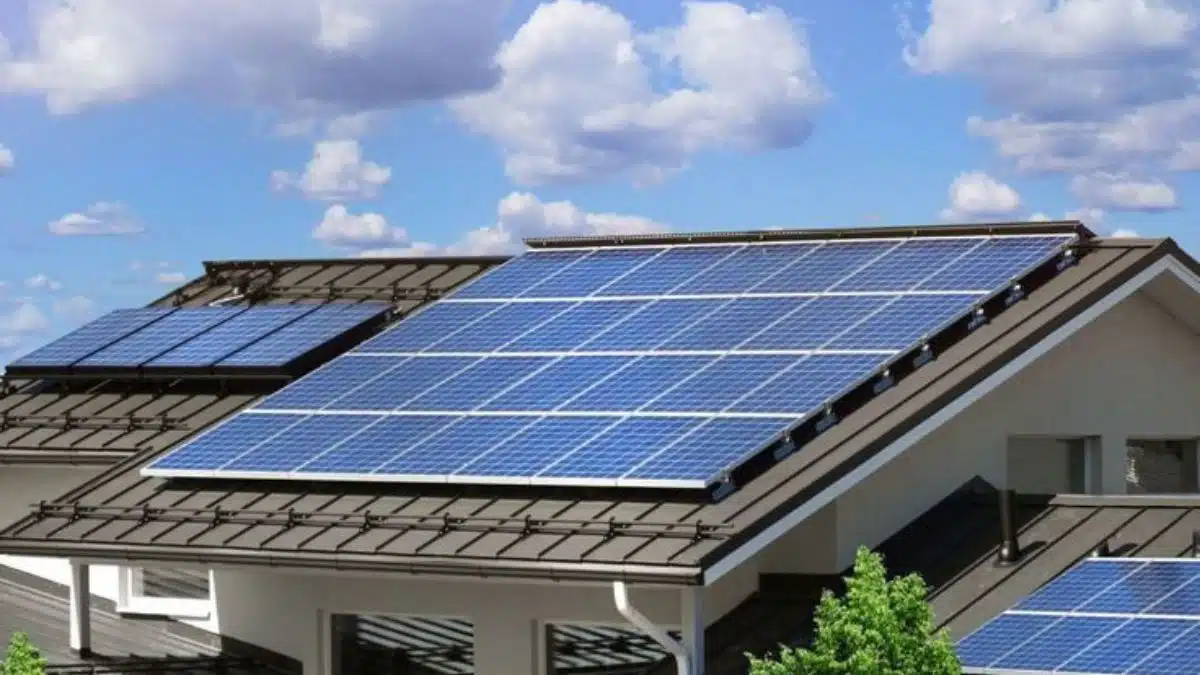
Future of Solar Energy in 2025 looks bright as global demand for clean, renewable energy grows, with solar energy continuing to lead the charge in providing sustainable solutions. Over the years, solar panel technology has improved significantly, becoming more efficient, affordable, and accessible. With new innovations on the horizon, the solar industry is set to evolve even further, offering better performance, durability, and cost savings. In this article, we’ll explore the latest advancements in solar panel technology and what homeowners and businesses can expect from solar energy by 2025.
1. Higher Efficiency with Tandem Solar Cells
One of the most exciting advancements in solar technology is the development of tandem solar cells. By combining perovskite with traditional silicon, tandem cells capture a broader range of the solar spectrum. While standard silicon solar cells convert around 20% of sunlight into electricity, tandem cells can achieve efficiencies of up to 30% or more.
Why It Matters:
-
Improved Energy Production: Tandem cells generate more energy from the same amount of sunlight, making them ideal for areas with limited roof space or high energy demands.
-
Cost-Effectiveness: Higher efficiency means fewer panels are needed to meet energy needs, reducing installation costs and maximizing space.
These advancements could significantly reduce the cost per watt of solar energy, making solar more accessible for homeowners and businesses.
2. Bifacial Solar Panels
Bifacial solar panels capture sunlight from both the front and the rear, utilizing reflected light from nearby surfaces. This design increases energy output by harnessing light that bounces off the ground or other reflective surfaces, making them particularly effective in snowy regions or on rooftops with high reflectivity.
Why It Matters:
-
Enhanced Performance: Bifacial panels can increase efficiency by 10-20% compared to traditional monofacial panels.
-
Energy Production Flexibility: These panels are ideal for areas with high diffuse light or commercial solar farms, boosting energy production.
As this technology matures, bifacial panels will become a popular choice for both residential and commercial solar installations.
3. Building-Integrated Photovoltaics (BIPV)
Building-Integrated Photovoltaics (BIPV) offer an innovative approach to integrating solar energy directly into building materials. This includes solar windows, roof tiles, and facades, providing a sleek, integrated design that blends seamlessly with a building’s architecture.
Why It Matters:
-
Aesthetic Appeal: BIPV systems provide a visually appealing, integrated design, ideal for urban areas where space and aesthetics matter.
-
Space Efficiency: BIPV eliminates the need for additional rooftop space, making it perfect for homes or buildings with limited installation room.
BIPV technology is gaining popularity in new constructions, enabling homeowners and businesses to incorporate solar energy into their buildings seamlessly.
4. Solar Panel Recycling and Sustainability
As solar systems become more widespread, the focus is shifting to solar panel recycling. In 2025, advancements in solar panel recycling will ensure that materials from old panels are reused in the production of new ones, promoting a circular economy.
Why It Matters:
-
Environmental Sustainability: Improved recycling methods will reduce waste and ensure valuable materials like silicon, silver, and aluminum are reused.
-
Cost Reduction: Recycling old panels can lower the production cost of new ones, making solar energy installations more affordable.
Recycling will play a key role in the solar industry’s sustainability and help reduce the environmental impact of panel waste.
5. Smart Solar Panels with IoT Integration
The integration of Internet of Things (IoT) technology into solar panels is revolutionizing how solar systems are managed. Smart solar panels can communicate with other devices, allowing homeowners and businesses to monitor and control their energy usage remotely via smartphone apps or smart home systems.
Why It Matters:
-
Enhanced Monitoring and Control: Smart solar panels can automatically adjust energy output based on usage patterns, weather conditions, and grid demand, making energy consumption more efficient.
-
Predictive Maintenance: IoT sensors can detect issues in real-time, alerting homeowners to potential problems before they become costly repairs.
IoT integration will make solar energy systems more automated, efficient, and user-friendly.
6. Solar Storage Innovations: Solid-State Batteries
A major challenge in solar energy is storage, and solid-state batteries are expected to play a significant role in improving energy storage efficiency by 2025. These batteries are safer, more durable, and offer higher energy densities compared to traditional lithium-ion batteries.
Why It Matters:
-
Longer Battery Life: Solid-state batteries can store more energy, charge faster, and last longer, ensuring excess solar power is stored effectively for use when the sun isn’t shining.
-
Reduced Costs: As battery technology improves, the cost of solar storage will decrease, making it more affordable for both residential and commercial applications.
This innovation will greatly benefit off-grid solar systems and help reduce reliance on the traditional grid.
7. Solar Tracking Systems
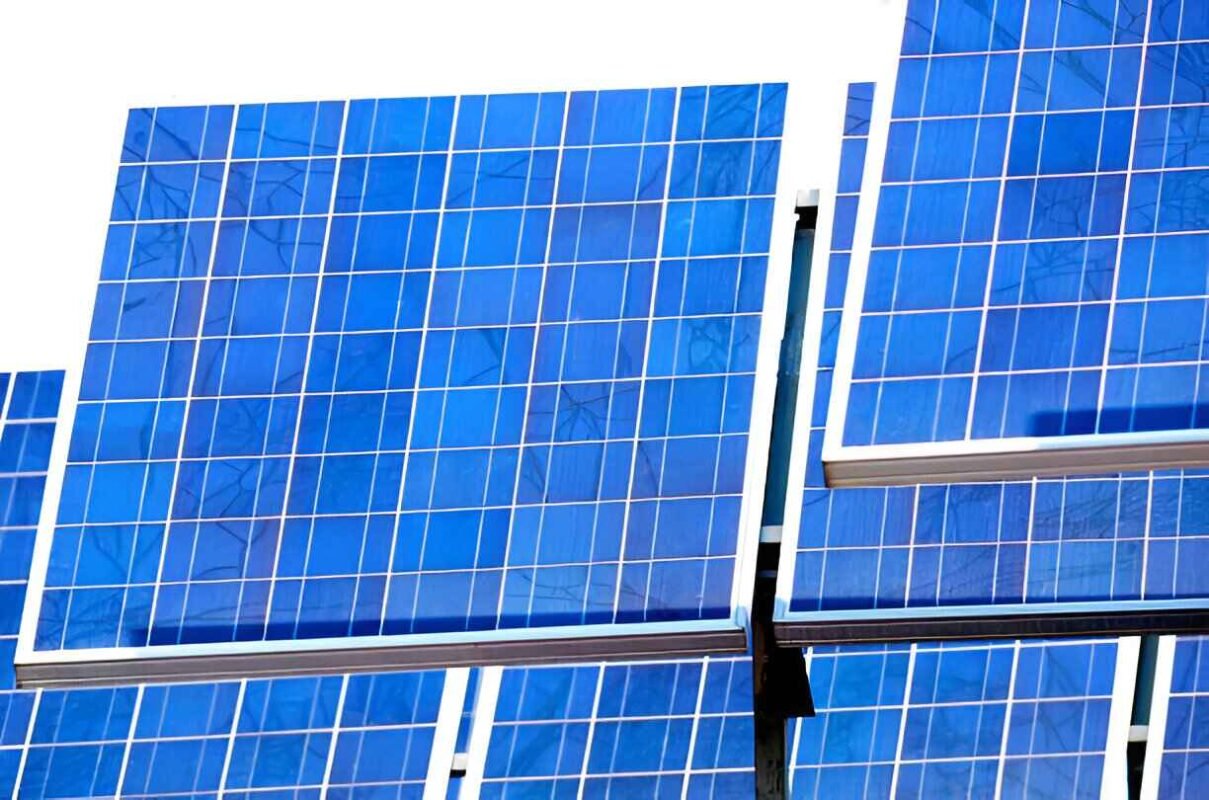
Solar tracking systems adjust the position of solar panels to follow the sun’s movement throughout the day, maximizing exposure and energy generation. These systems, while commonly used in large-scale solar farms, are becoming more accessible for residential and commercial installations.
Why It Matters:
-
Increased Efficiency: Solar trackers can increase energy output by 20-30% by keeping panels oriented towards the sun.
-
Higher ROI: Though trackers come with additional costs, their ability to boost energy production offers a higher return on investment.
As solar tracking technology becomes more affordable, it will be adopted widely for residential solar systems.
Conclusion: The Future of Solar Energy in 2025
The future of solar energy is brighter than ever, with innovations like tandem solar cells, bifacial panels, and solid-state batteries paving the way for more efficient and affordable solutions. As these technologies mature, solar installations will become more accessible, reducing costs for homeowners, businesses, and governments.
By 2025, solar energy will be a leading source of clean power, driving global sustainability and reducing carbon emissions. Investing in solar today not only secures a greener future but also offers long-term savings and energy independence.