





Blogs
Hybrid Solar-Wind Systems: Boosting Renewable Energy in Ghana

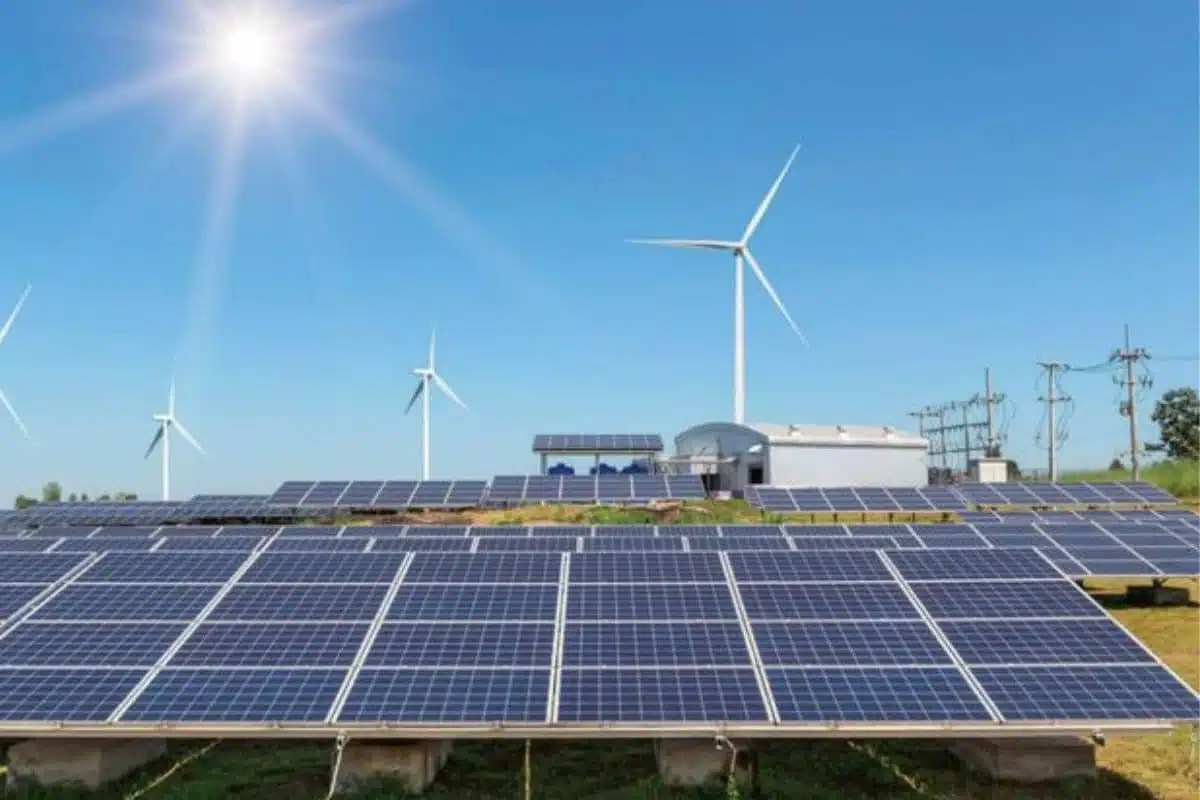
Hybrid Solar-Wind Systems are gaining attention as Ghana focuses on sustainable development and renewable energy. By combining the benefits of both solar and wind energy, these systems offer a more reliable, efficient, and consistent power solution. They provide significant advantages, especially for regions in Ghana facing challenges with electricity access and grid reliability. In this article, we will explore the benefits of hybrid systems, how they work, and why they are a game-changer for Ghana’s renewable energy landscape.
Understanding Hybrid Solar-Wind Systems
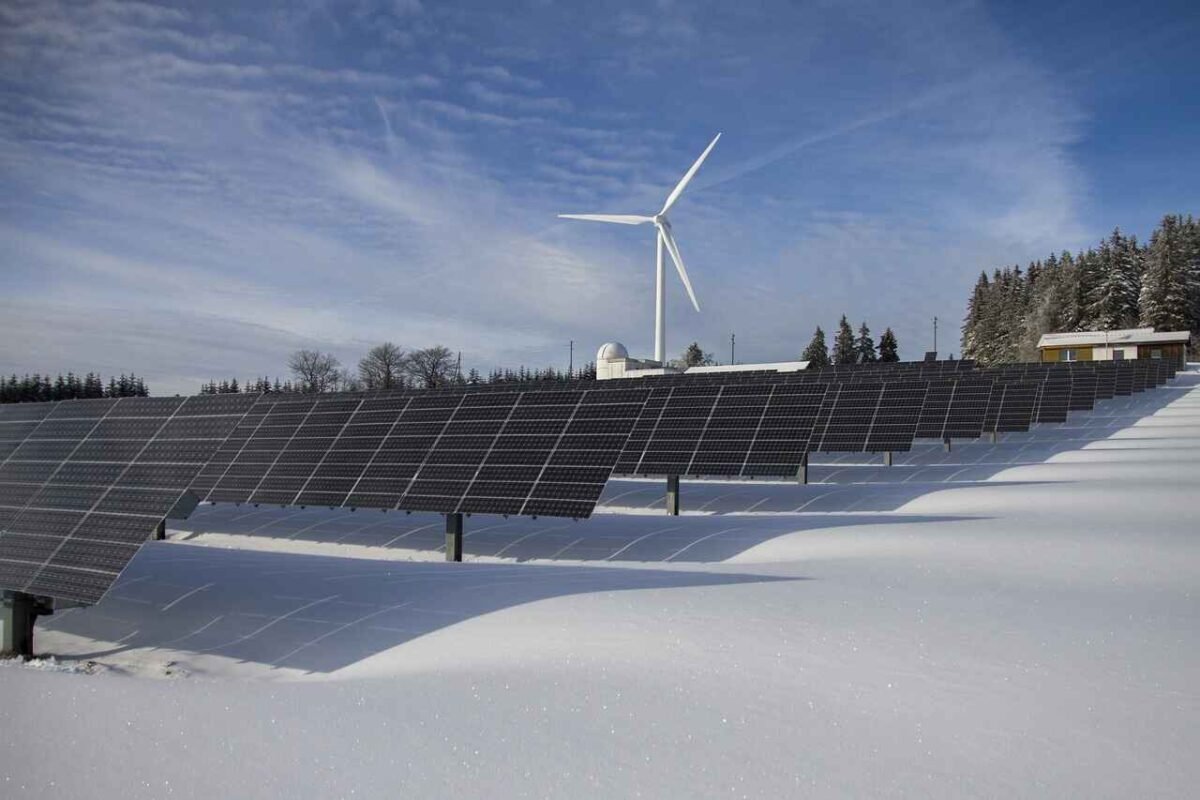
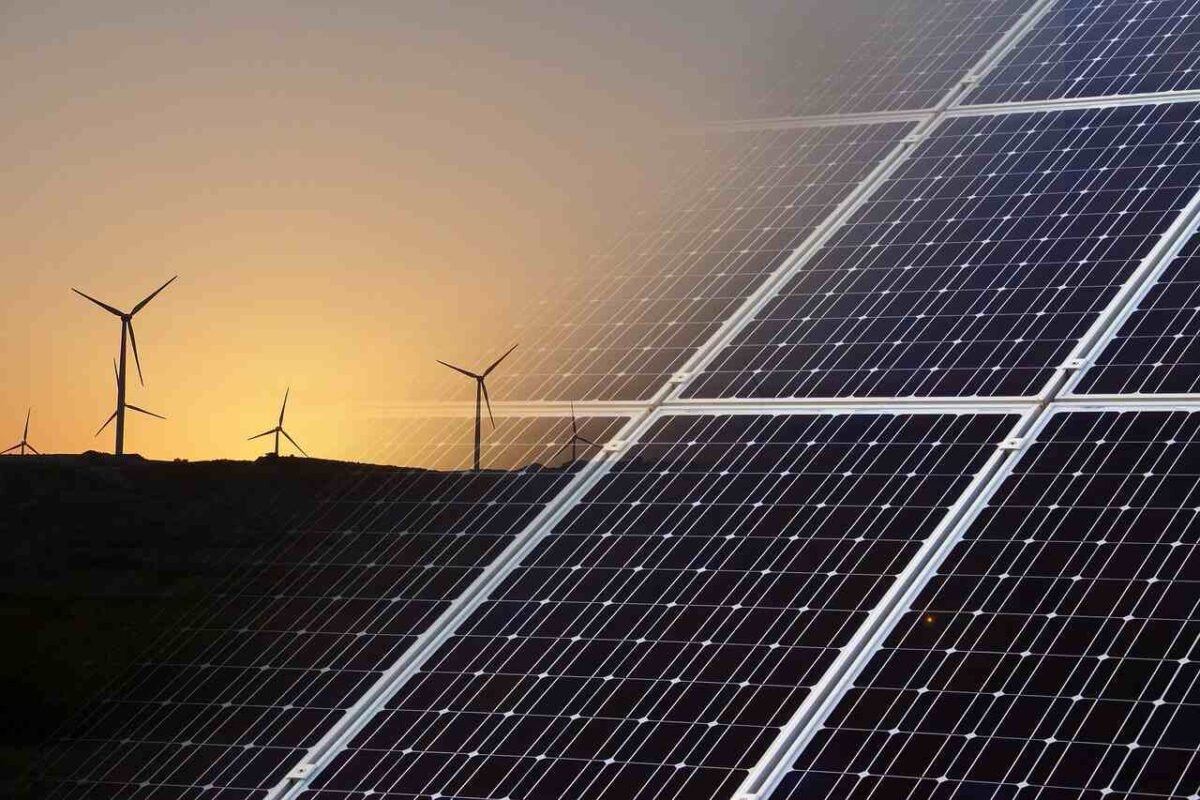
A hybrid solar-wind system combines two of the most abundant and renewable energy sources: solar energy and wind energy. This system typically uses solar panels to harness the sun’s energy during daylight hours and wind turbines to capture wind energy at any time, day or night.
Unlike single-source systems, which rely on one form of energy, hybrid systems can optimize energy production by using both solar and wind power. This ensures a more consistent energy supply since the output of solar and wind energy often complements each other. For instance, when the sun isn’t shining, wind power may be available, and vice versa.
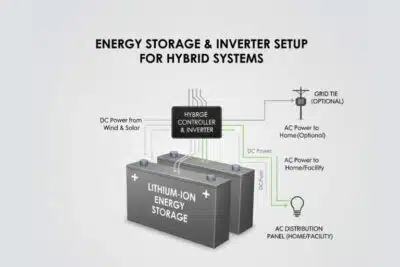
Key Components of Hybrid Solar-Wind Systems:
-
Solar Panels: These convert sunlight into electricity during the day.
-
Wind Turbines: These capture wind energy and convert it into electricity, operating both day and night depending on wind conditions.
-
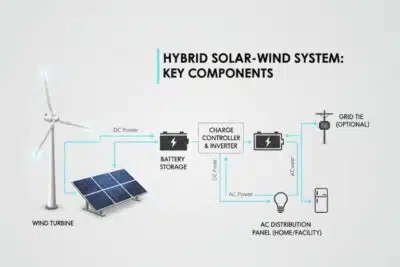
Battery Storage: This stores excess energy generated during peak sunlight or wind conditions for use when energy demand is high or when the sun is not shining, or the wind isn’t blowing.
-
Inverters: These convert the DC electricity produced by both the solar panels and wind turbines into AC electricity, which is used to power home appliances or is fed into the grid.
Why Hybrid Solar-Wind Systems are Ideal for Ghana
Ghana has enormous potential for renewable energy, with abundant sunshine and strong winds, particularly in coastal and highland regions. However, the country’s energy infrastructure faces challenges, such as inconsistent power supply, high energy costs, and a reliance on non-renewable sources like fossil fuels. Hybrid solar-wind systems provide an optimal solution to address these issues while supporting Ghana’s long-term sustainability goals.
1. Maximized Energy Generation
Hybrid systems take advantage of the complementary nature of solar and wind energy. Solar energy is typically more abundant during the day, while wind energy is often available at night or in areas with consistent wind patterns. By combining these two sources, hybrid systems maximize energy generation and ensure a continuous, reliable power supply, even when one energy source is unavailable.
2. Increased Energy Reliability
Reliability is a significant challenge in many parts of Ghana, particularly in rural and remote areas. Grid electricity may be unreliable or completely unavailable in certain regions. A hybrid solar-wind system provides a reliable alternative by generating energy from two sources that can function independently of the grid. This is particularly important in areas that experience frequent blackouts or have limited access to electricity.
3. Cost-Effectiveness
While the upfront cost of installing a hybrid system may be higher than a single-source system, the long-term savings can be significant. Since hybrid systems use two renewable energy sources, they reduce the need for backup generators that rely on expensive diesel fuel. In areas where grid power is unavailable or expensive, hybrid systems can save homeowners and businesses significant amounts on energy bills.
Additionally, the cost of solar panels and wind turbines has decreased over the past decade, making hybrid systems more affordable. In many cases, financial incentives and government support for renewable energy installations further reduce the cost of adoption.
4. Environmentally Friendly
Ghana, like many African nations, is highly vulnerable to the effects of climate change. By investing in hybrid renewable energy systems, Ghana can reduce its reliance on fossil fuels and decrease carbon emissions. These systems provide a cleaner, greener alternative to conventional energy sources, helping Ghana meet its sustainable development goals and reduce its carbon footprint.
Benefits of Hybrid Solar-Wind Systems in Ghana
1. Energy Security
One of the key advantages of hybrid systems is energy security. With solar and wind energy working together, hybrid systems provide a more stable and secure power supply. They are particularly beneficial for off-grid communities, ensuring that households and businesses can access reliable electricity, even in areas where grid power is unreliable or unavailable.
2. Access to Rural Areas
In rural and remote areas where extending the national grid is difficult or costly, hybrid solar-wind systems provide an affordable and efficient solution. Hybrid systems can be deployed in communities without access to electricity, providing essential power for lighting, cooking, education, and healthcare. These systems are also beneficial for small-scale agriculture, providing energy for irrigation and cold storage, which can improve crop yield and reduce post-harvest losses.
3. Support for Ghana’s Net-Zero Goals
Ghana has committed to achieving net-zero emissions by 2050, and hybrid solar-wind systems will play a critical role in achieving this goal. By increasing the use of renewable energy and reducing reliance on fossil fuels, Ghana can reduce its carbon emissions and contribute to global climate change mitigation efforts. Hybrid systems also support the country’s energy transition, making the shift to cleaner, more sustainable energy sources.
Challenges and Considerations
While hybrid solar-wind systems offer numerous benefits, there are some challenges to consider:
1. Initial Investment Costs
Hybrid systems require a larger upfront investment compared to single-source systems. The cost of purchasing and installing both solar panels and wind turbines, along with storage and inverters, can be substantial. However, the long-term benefits, including energy savings, make these systems a worthwhile investment.
2. Wind Availability
The effectiveness of a hybrid solar-wind system depends on local wind conditions. Areas with strong and consistent winds will benefit the most from wind energy, while regions with low wind speeds may not see the same level of performance from the wind turbines. Conducting a wind resource assessment is important before installation to ensure that wind power will be an efficient addition to the solar system.
Conclusion: Hybrid Solar-Wind Systems for a Sustainable Future in Ghana
As Ghana continues to pursue sustainable energy solutions, hybrid solar-wind systems represent a promising way forward. These systems offer a reliable, cost-effective, and environmentally friendly solution to the country’s energy challenges. By harnessing both solar and wind energy, Ghana can maximize renewable energy production, improve energy reliability, and reduce carbon emissions, contributing to the country’s net-zero emissions goal by 2050.
For homeowners and businesses looking to invest in renewable energy, hybrid solar-wind systems offer a versatile, long-term solution that meets the growing energy demands while supporting Ghana’s commitment to sustainability.